

- Relationship Intelligence
- Data Architecture
- Technology Infrastructure
- Communication Engine
- Commercial Process
Relationship Capital
How to start
Three steps. No commitment.
-
Free call
30 minutes, no obligation. We talk through where growth feels stuck.
-
Commercial Review
90 minutes, £495. A structured diagnostic across the five foundations.
-
Build
We design and implement your Commercial Operating System™.
Sound familiar?
-
Contacts, not a system
Hundreds of contacts collected over years, sitting in scattered inboxes and spreadsheets.
-
Opportunities left on the table
Opportunities discussed but never followed up.
-
Relationships owned by individuals
Valuable relationships owned by individuals, not the business.
-
A CRM full of data, not insight
A CRM full of information but not insight.
-
Growth tied to a few people
Growth still dependent on a few key people.
The opportunity is already there. It just needs a system.
The gap
Every function has a system. Growth is the exception.
What every established business has
- Finance systems (accounting, reporting, forecasting)
- Operational systems (delivery, production, service)
- HR systems (recruitment, performance, compliance)
Where growth is typically managed
- Commercial growth: memory and individual relationships
- Disconnected spreadsheets and inboxes
- Inconsistent communication and follow-up
That is the gap the Commercial Operating System closes.
Relationship Capital
Your most valuable asset is probably the least managed.
Relationship Capital is the commercial value created through the trust, reputation and connections your business has built over time.
It exists across your customers, partners, suppliers, employees and wider network.
Most businesses spend years creating this value. Very few have the systems to manage and unlock it.
Your next opportunity is probably already inside your business. You just cannot see it.
- 83%
- of satisfied clients say they would refer
- 29%
- actually do
See why the gap exists and what closes it in the full article.
Business development
Business development, built into the business.
Most established firms do not lack relationships or opportunities. The problem is that business development often depends on individual memory, occasional activity and disconnected information.
We build the structure behind it: identifying the right relationships and opportunities, creating a consistent approach to developing them, and giving your team the data, technology, communication and process to turn business development into an organisational capability rather than an individual habit.
The System
Commercial Operating System
The infrastructure that turns Relationship Capital into measurable growth.
Built around five foundations.
- Relationship Intelligence
- Understand who and what you know.
- Data Architecture
- Turn information into a business asset.
- Technology Infrastructure
- Connect the tools.
- Communication Engine
- Create consistent engagement.
- Commercial Process
- Make growth repeatable.
How it works
Three steps to a working commercial engine.
-
Identify
We map your existing relationships, contacts and commercial opportunities. Most businesses have far more latent value in their network than they realise.
-
Build
We design and implement the systems, processes and communication infrastructure needed to manage and activate those relationships consistently.
-
Activate
Your team has the structure to consistently create conversations, introductions and opportunities from the network you already have.
Results
-
Client / sector: [MATTHEW TO SUPPLY: real cases with client permission]
Problem: [MATTHEW TO SUPPLY: real cases with client permission]
What was built: [MATTHEW TO SUPPLY: real cases with client permission]
Outcome: [MATTHEW TO SUPPLY: real cases with client permission]
-
Client / sector: [MATTHEW TO SUPPLY: real cases with client permission]
Problem: [MATTHEW TO SUPPLY: real cases with client permission]
What was built: [MATTHEW TO SUPPLY: real cases with client permission]
Outcome: [MATTHEW TO SUPPLY: real cases with client permission]
-
Client / sector: [MATTHEW TO SUPPLY: real cases with client permission]
Problem: [MATTHEW TO SUPPLY: real cases with client permission]
What was built: [MATTHEW TO SUPPLY: real cases with client permission]
Outcome: [MATTHEW TO SUPPLY: real cases with client permission]
Finch Theory delivers Technology Infrastructure as an accredited GoHighLevel implementation partner.
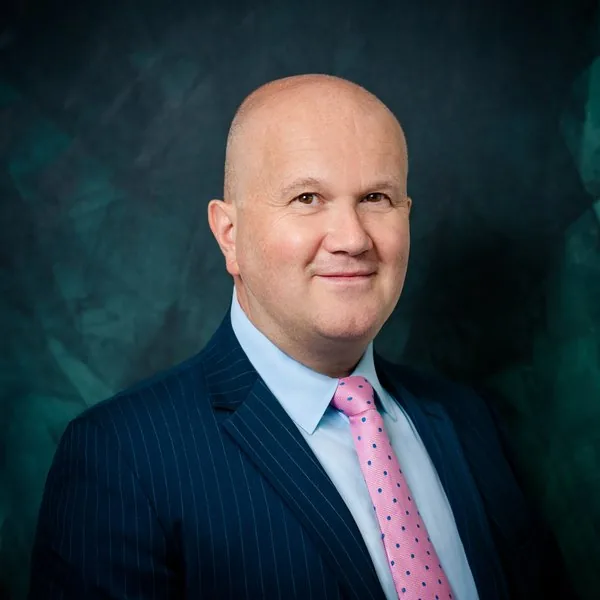
Matthew Steiner, Founder
About
Built from experience, not theory.
Matthew Steiner founded Finch Theory after 28 years across financial advice, investment, strategic partnerships and business development. He leads every engagement personally, combining that experience with practical delivery to build the Commercial Operating System™ that turns existing relationships into measurable growth.
Matthew Steiner
Founder, Finch Theory
Matthew leads every engagement personally. He is supported by a specialist delivery team who build and run the systems behind each Commercial Operating System™.
-
CRM and automation
Technology Infrastructure
-
Data
Data Architecture
-
AI search visibility
Communication Engine
Self-check
How developed is your business development system?
Five questions. Two minutes. See how consistently your business identifies, develops and follows up commercial opportunities.
Book a free 30-minute call
Thinking worth reading
- What Is Relationship Capital and Why Does It Matter More Than Your CRM?
Relationship capital is the accumulated trust, goodwill and influence held within your professional network. Matthew Steiner explains why it is your most valuable and most overlooked business asset.
- Relationship Capital The referral gap: why 83% of satisfied clients never introduce you
Research shows 83% of satisfied clients say they would refer a business, but only 29% actually do. The gap is not goodwill. It is architecture. Here is what closes it.
- Why most BD pipelines fail before they start
The three structural problems beneath almost every underperforming commercial function, and why hiring a BD director is rarely the fix.
- Introduction architecture: turning warm contacts into revenue
The structural difference between an organisation that receives introductions occasionally and one that receives them consistently, and how to build it.
- Relationship Capital What referral data tells us about relationship capital in professional services
2026 referral benchmarking data reveals a 3,000% average ROI from structured referral activity and 4x higher conversion rates. The numbers make a compelling case for treating relationship capital as a managed commercial asset.
- Your Clients Are Your Best Sales Team
Satisfied clients are the most underused commercial asset in most businesses. This article explains why they do not introduce you, and what changes that.
Start a conversation
See where your business development could work harder.
In 30 minutes, we can explore where opportunities may be getting lost across your relationships, data and follow-up, and whether a Commercial Operating System™ could help.
Book a free 30-minute callNo obligation. A conversation first.